You eat clean, avoid processed food, and still deal with fatigue, mood swings, and weight that won't move. Here is what is actually driving your hormone symptoms when diet alone isn't enough.
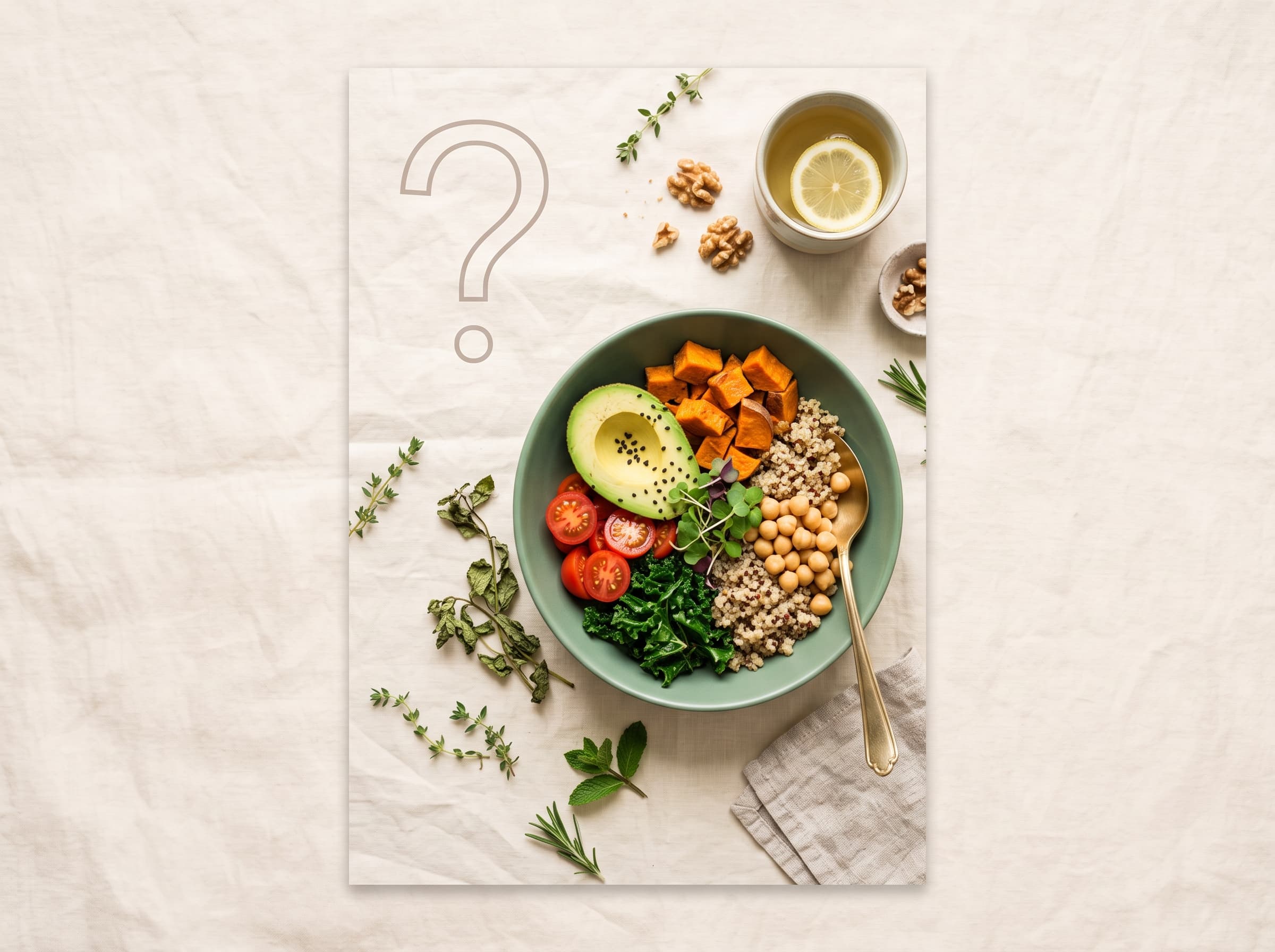
Why Your Hormones Are Out of Balance Even When You Eat Perfectly
You have cut out sugar. You cook with olive oil. You eat your cruciferous vegetables. You avoid seed oils, alcohol, and gluten. Your diet looks exactly like every hormone health article says it should.
And yet.
The fatigue is still there. The mood shift before your period still arrives like clockwork. The belly fat that appeared after 35 will not move regardless of how many broccoli-forward meals you eat. Your skin still breaks out. Your sleep is still disrupted.
If this sounds familiar, you are not doing it wrong. You are just missing the part of the picture that diet alone cannot address.
The Hormonal Environment Around Digestion Matters More Than the Food Itself
Here is what most hormone nutrition content leaves out: the same food produces a different hormonal response depending on the environment it enters.
If your cortisol is elevated when you eat, your body distributes the nutrients from that meal differently than it would in a calm state. Cortisol suppresses digestive enzyme production, which means you absorb less from the food you are eating. It shifts the body's metabolic priority away from building and repair and toward emergency fuel management.
If your gut microbiome is dysbiotic, the estrobolome, the collection of gut bacteria responsible for metabolizing estrogen, is not doing its job. Estrogen that should be cleared by the liver and excreted is instead recirculated. This drives estrogen dominance symptoms regardless of how many crucifers you eat to support liver detox.
If you are chronically sleep-deprived, leptin and ghrelin, the hormones governing hunger and satiety, are disrupted before your first meal of the day. No food choice at breakfast fixes what happened to those hormones in the eight hours you were supposed to be sleeping but weren't.
Clean eating matters. But it is the foundation, not the complete structure.
The Four Things That Override a Perfect Diet
1. Chronic Cortisol Elevation
Cortisol is not just a stress hormone. It is a master regulator that influences every other hormone in the system. When cortisol is chronically elevated, it competes directly with progesterone for the same receptor sites. The result is a functional progesterone deficiency even when progesterone levels on a blood test look adequate.
High cortisol also increases the activity of the aromatase enzyme, which converts testosterone to estrogen in fat tissue. This worsens estrogen dominance. It suppresses thyroid hormone conversion from inactive T4 to active T3. It drives fat storage to omental tissue regardless of caloric intake.
The most disciplined diet in the world cannot outrun what cortisol is doing in the background.
2. Gut Dysbiosis and Intestinal Permeability
Your gut is where a significant portion of hormone metabolism actually happens. Approximately 20% of T4 to T3 thyroid hormone conversion occurs via gut bacteria. The estrobolome governs whether estrogen clears properly or recirculates. The gut microbiome produces and regulates neurotransmitters including serotonin and GABA, which directly affect the anxiety and mood symptoms that many women attribute to hormonal causes.
When the gut is dysbiotic or the lining is permeable, inflammatory compounds enter the bloodstream and create a systemic inflammatory state that disrupts every downstream hormone process.
You cannot eat your way out of a dysbiotic gut without specifically addressing the microbiome. Adding fermented foods and prebiotic fiber is a start. But if the damage is significant, targeted restoration is needed.
3. Poor Sleep Architecture
Growth hormone, the primary driver of cellular repair, collagen synthesis, and tissue maintenance, is released predominantly during deep slow-wave sleep. Without adequate deep sleep, the repair processes that keep hormone-producing glands functioning optimally are impaired at the cellular level.
Insulin sensitivity decreases with poor sleep. A single night of four to five hours increases inflammatory markers by 25%. Cortisol rises the following day, creating a cascade that begins before you make a single food choice.
Sleep is not a lifestyle preference. It is a biological requirement that operates the machinery your food choices are meant to fuel.
4. Mineral Depletion From Chronic Stress
Magnesium is required for over 300 enzymatic processes in the body including cortisol regulation, insulin sensitivity, thyroid hormone conversion, progesterone synthesis, and sleep quality. The majority of women are chronically deficient in it.
Zinc is required for T4 to T3 conversion, progesterone production, and immune function. Selenium is required for thyroid conversion and for reducing thyroid antibodies in autoimmune thyroid conditions. Iron, specifically ferritin, affects virtually every hormone-adjacent process including energy, cognitive function, hair growth, and thyroid function.
These minerals are depleted faster under stress. They are also less well absorbed when the gut is inflamed. The dietary sources are present in a clean diet but not always in the amounts or bioavailable forms needed to restore depletion that has accumulated over months or years.
What to Actually Do About It
The answer is not to eat differently. The answer is to address all four of these simultaneously alongside your nutrition.
For cortisol: prioritize sleep before 10:30 PM consistently, reduce high-intensity exercise if you are already in a high-stress period, add adaptogenic herbs such as ashwagandha or rhodiola with a realistic expectation of gradual rather than rapid effect.
For the gut: add one serving of diverse fermented foods daily, increase plant variety toward 30 different plants per week, consider targeted gut lining repair with L-glutamine at 5 grams on an empty stomach if permeability is a concern.
For sleep: treat it as the primary hormone intervention it is rather than something to optimize after everything else is in order.
For mineral depletion: test ferritin, not just serum iron. Test Free T3 alongside TSH. Consider magnesium glycinate at 300-400mg before bed rather than oxide form, which has near-zero bioavailability.
The Complete Picture
A clean diet is the foundation. It removes the dietary inputs that add to the inflammatory and hormonal burden. It provides the raw materials for hormone synthesis and metabolism. It supports the liver's ability to clear hormones appropriately.
But the body is a system. Hormones do not respond to nutrition in isolation. They respond to the entire physiological environment including sleep quality, stress load, gut microbiome health, and mineral status.
If you are eating perfectly and still symptomatic, you have not failed your diet. You have simply reached the edge of what diet alone can do. The work from here is in the layers underneath.
This article is for educational purposes only and does not constitute medical advice. If you are experiencing persistent hormone symptoms, consult a qualified healthcare provider for personalized guidance.
More from Her Healthy Empire
The 10-Minute Habit After Meals That May Help Your Blood Sugar and Energy
A short walk after eating may do more than help you feel less sluggish. Research suggests post-meal movement can support the body’s glucose response, while adding an easy source of daily physical activity.
Why You’re Always Tired After 40, Even When You’re Getting Enough Sleep
Feeling exhausted even after a full night of sleep? Discover the overlooked reasons women over 40 may struggle with persistent fatigue, including sleep quality, perimenopause, iron, thyroid health, nutrition, stress, and more.
Period Changes in Perimenopause: What Is Normal?
Perimenopause can change cycle timing, flow, and duration. Some changes are expected, while unusual bleeding still deserves medical evaluation.
The next her healthy empire essay in your inbox.
One careful letter, every Sunday. Free.