Frequent bloating can come from gas, constipation, IBS, food patterns, or cycle changes. The pattern often reveals more than the symptom alone.
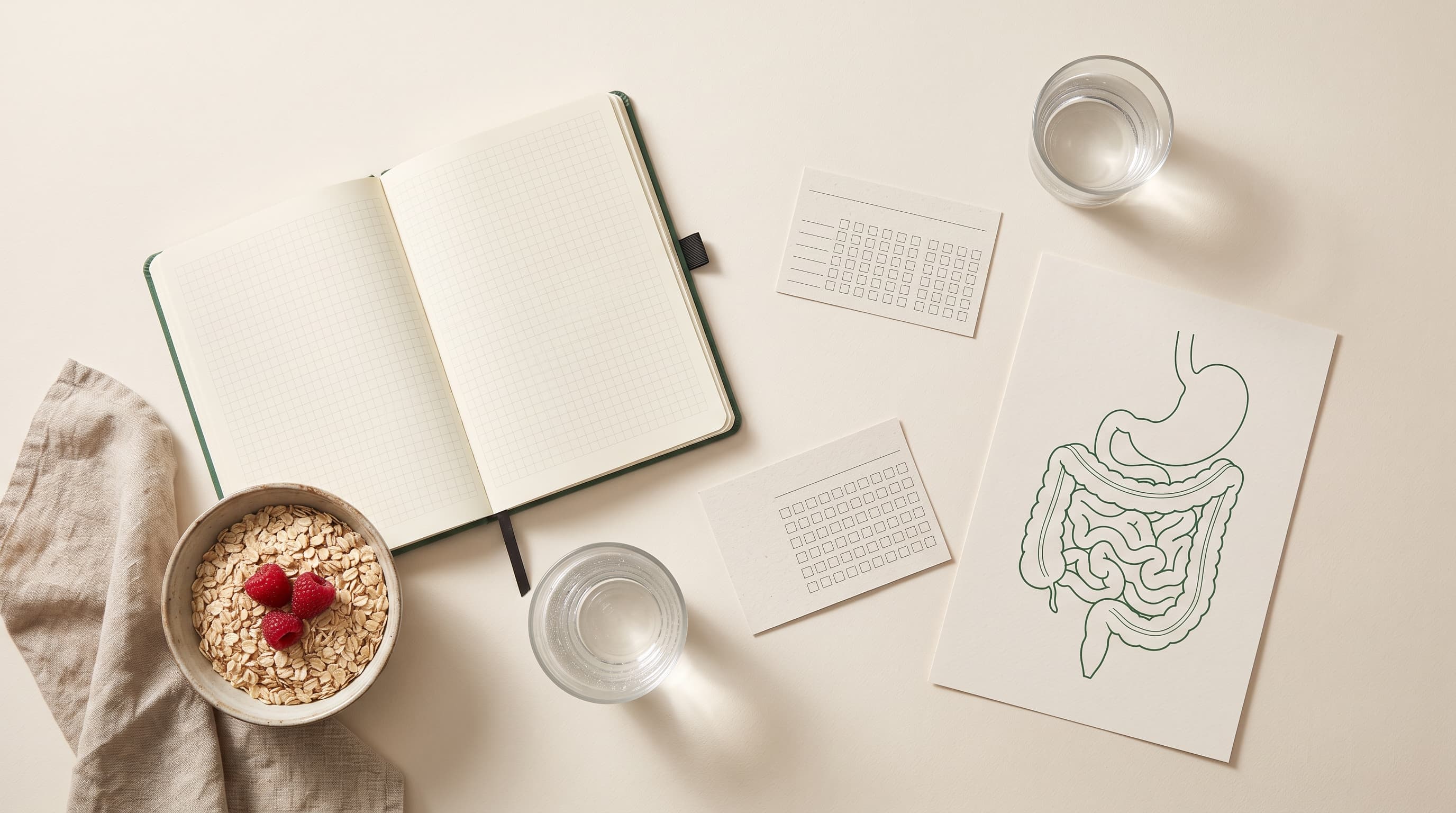
If you keep asking why am I always bloated, the answer is usually not one universal food or one hormone. Bloating can result from gas production, constipation, altered gut sensitivity, IBS, eating patterns, certain poorly absorbed carbohydrates, or menstrual-cycle changes, and the most useful clue is often when the bloating happens and what accompanies it.
Bloating describes the sensation of abdominal fullness, pressure, or swelling. Distention is the visible increase in abdominal size that may occur with it. They can happen together, but not every person who feels bloated has obvious distention.
Why Am I Always Bloated? Start With Gas
Gas is a normal part of digestion.
NIDDK explains that gas enters the digestive tract in two major ways: swallowing air and bacterial breakdown of certain undigested carbohydrates in the large intestine.
That means the word “gas” covers several different processes.
You may swallow more air when eating quickly, chewing gum, drinking carbonated beverages, or talking while eating.
Gas can also form when carbohydrates reach the colon without being fully digested earlier in the digestive tract. Bacteria ferment those carbohydrates and create gas in the process.
This does not mean carbohydrates are inherently bad or that everyone who experiences bloating needs a restrictive diet.
It means food-related bloating depends partly on digestion, absorption, dose, gut bacteria, and individual tolerance.
Constipation Is One of the Most Overlooked Causes
A person can have bowel movements and still be constipated.
NIDDK lists constipation symptoms including fewer than three bowel movements a week, hard or dry stools, painful or difficult passage, and the feeling that stool has not completely passed.
When stool moves slowly through the colon, abdominal pressure and fullness can become more noticeable.
This is why your bloating history should include more than the question:
“How often do I go?”
Also consider:
Is the stool hard or dry?
Do I strain?
Do I feel completely emptied afterward?
Does bloating improve after a bowel movement?
Has bowel frequency changed?
Did symptoms begin after starting a new medication?
A bloating problem that improves dramatically after a bowel movement deserves a different line of thinking from bloating that begins immediately after a tiny meal.
IBS Can Make the Gut Feel More Sensitive
Irritable bowel syndrome is not simply “a sensitive stomach.”
NIDDK describes IBS as a disorder of gut-brain interaction characterized primarily by abdominal pain related to bowel movements and changes in bowel habits. Those changes may include constipation, diarrhea, or both. Bloating is another common symptom.
One important mechanism is visceral sensitivity.
The digestive tract sends sensory information to the nervous system. In disorders of gut-brain interaction, normal or modest amounts of intestinal stretching may feel more uncomfortable than expected.
That helps explain why the amount of gas does not always match the severity of bloating.
Two people can produce similar amounts of intestinal gas and experience very different levels of discomfort.
Certain Carbohydrates Can Increase Gas Production
Food-related bloating is real, but internet advice often oversimplifies it.
NIDDK explains that certain carbohydrates may not be fully digested in the stomach and small intestine. When they reach the large intestine, bacteria break them down and gas is produced.
That does not justify eliminating dozens of foods without a plan.
Broad restriction can make a diet unnecessarily difficult and may reduce nutritional variety.
A more useful first step is pattern recognition.
Ask:
Does bloating follow one specific meal repeatedly?
Is it worse after larger portions?
Does it appear after carbonated drinks?
Does it correlate with constipation?
Does the same food cause symptoms every time, or only under certain circumstances?
Patterns are more informative than a viral list of “inflammatory foods.”
Why Am I Always Bloated Around My Period?
Menstrual-cycle changes can affect bloating.
The Office on Women’s Health lists bloating and a gassy feeling among physical symptoms of PMS. It also notes that IBS symptoms may worsen before a period in some women.
That creates two useful observations.
First, cycle-related bloating is possible even without a digestive disorder.
Second, a pre-existing gastrointestinal condition may become more noticeable around certain points in the cycle.
If bloating predictably increases during the same part of your cycle each month and then improves, record that.
The pattern may be more useful than trying to judge one isolated bad day.
Perimenopause Can Change the Pattern
Women in their late 30s, 40s, and early 50s may notice that digestive complaints occur alongside changing menstrual cycles, sleep disruption, or new PMS patterns.
Perimenopause involves changing ovarian hormone production, and periods may become more frequent, less frequent, heavier, lighter, longer, or shorter.
That does not mean every digestive symptom after age 40 is hormonal.
Bloating still deserves ordinary gastrointestinal reasoning.
Look at bowel habits. Look at meals. Look at new medications. Look at timing.
Then add the menstrual pattern to the picture rather than replacing the digestive picture with it.
Feeling Full Quickly Is Not the Same as Ordinary Bloating
There is a difference between being bloated after a large meal and becoming unusually full after eating a small amount.
NIDDK lists early fullness, prolonged fullness after a meal, nausea, vomiting, upper abdominal pain, and excessive bloating among possible symptoms of gastroparesis.
That does not mean early fullness automatically indicates gastroparesis.
It means it is a specific symptom worth reporting accurately.
Instead of saying “my stomach is weird after eating,” say:
“I become uncomfortably full after eating about half the amount I normally would.”
Specific descriptions help clinicians distinguish different digestive patterns.
Track Bloating Like a Pattern, Not a Mystery
A useful bloating log does not need to list every ingredient you consumed.
Track the information most likely to reveal structure:
when bloating begins
whether it is present on waking
whether it develops after meals
bowel movement frequency
stool consistency
whether bowel movements relieve it
cycle day
meal size
carbonated drinks
significant changes in diet
abdominal pain
nausea or early fullness
Keep the log for long enough to observe repetition.
One uncomfortable dinner tells you little.
A pattern that repeats after the same circumstances is more useful.
Do Not Remove Ten Foods at Once
When people become frustrated with bloating, they often start eliminating foods rapidly.
Dairy goes first.
Then gluten.
Then beans.
Then fruit.
Then grains.
Soon the person cannot tell which change mattered because everything changed at once.
If you suspect a food relationship, a more controlled approach is easier to interpret.
Change one variable when practical.
Observe the response.
Reintroduce when appropriate.
For complex symptoms or highly restrictive diets, a registered dietitian or healthcare professional can help prevent unnecessary restriction.
When Bloating Needs Medical Evaluation
Occasional bloating after meals is common. NIDDK notes that gas symptoms can be normal, especially during or after eating.
The situation changes when symptoms are persistent, severe, worsening, or accompanied by warning signs.
Constipation associated with rectal bleeding, blood in the stool, constant abdominal pain, inability to pass gas, vomiting, fever, or unexplained weight loss deserves prompt medical attention.
Persistent abdominal swelling, significant pain, recurrent vomiting, unexplained weight change, or major changes in bowel habits also deserve evaluation rather than repeated self-treatment.
The Better Question Is “What Pattern Is My Bloating Following?”
There is no single answer to why you are always bloated.
The digestive tract is influenced by food movement, bacterial fermentation, bowel motility, gut sensitivity, meal size, constipation, and other factors. The menstrual cycle can add another layer for some women.
The most useful approach is not to blame every symptom on hormones or every meal on intolerance.
Find the pattern first.
Is it tied to constipation?
Meals?
Specific carbohydrates?
Your menstrual cycle?
Pain?
Early fullness?
A consistent pattern gives you something concrete to investigate.
For readers who want to understand the connection between digestive patterns and female physiology more clearly, Her Healthy Empire’s The Gut-Hormone Connection Nobody Explained to You is designed as a practical next step.
Frequently Asked Questions
Why am I bloated every day even when I eat healthy?
“Healthy” foods can still contain carbohydrates that produce gas during bacterial fermentation, and diet is only one possible contributor to bloating. Constipation, IBS, gut sensitivity, meal size, and menstrual-cycle timing can also matter. A daily symptom pattern deserves closer attention to bowel habits and timing rather than assuming the food itself is unhealthy.
Can constipation cause bloating even if I still poop?
Yes. Constipation is not defined only by having no bowel movements. Hard stools, straining, incomplete evacuation, and infrequent bowel movements can all indicate constipation. If bloating improves after a bowel movement, that relationship is useful to note.
Why do I get more bloated before my period?
Bloating is a recognized physical symptom of PMS, and some women with IBS report worsening symptoms before menstruation. Tracking bloating across several cycles can show whether the timing is consistent.
When should I worry about persistent bloating?
Seek medical evaluation when bloating is persistent or worsening, especially if it occurs with blood in the stool, vomiting, constant abdominal pain, inability to pass gas, fever, or unexplained weight loss. New or substantial changes in bowel habits also deserve discussion with a healthcare professional.
More from Her Healthy Empire
The 10-Minute Habit After Meals That May Help Your Blood Sugar and Energy
A short walk after eating may do more than help you feel less sluggish. Research suggests post-meal movement can support the body’s glucose response, while adding an easy source of daily physical activity.
Why You’re Always Tired After 40, Even When You’re Getting Enough Sleep
Feeling exhausted even after a full night of sleep? Discover the overlooked reasons women over 40 may struggle with persistent fatigue, including sleep quality, perimenopause, iron, thyroid health, nutrition, stress, and more.
Period Changes in Perimenopause: What Is Normal?
Perimenopause can change cycle timing, flow, and duration. Some changes are expected, while unusual bleeding still deserves medical evaluation.
The next her healthy empire essay in your inbox.
One careful letter, every Sunday. Free.