Chronic low-grade inflammation is the common thread behind hormonal imbalance, gut dysfunction, skin problems, brain fog, and accelerated aging. Here is a seven-day reset that addresses the primary drivers simultaneously.
The Anti-Inflammation Reset: How to Reduce Chronic Inflammation in 7 Days
Chronic inflammation is the word that gets used so often in wellness content that it has nearly lost its meaning. So before we discuss the reset, it is worth being specific about what inflammation actually is, what chronic low-grade inflammation actually does, and why the intervention described here addresses both simultaneously.
What Chronic Low-Grade Inflammation Actually Is
Acute inflammation is a protective response. When you cut your finger, immune cells flood the area, inflammatory compounds are released, the tissue repairs, and the inflammation resolves. This is the immune system working exactly as designed.
Chronic low-grade systemic inflammation is a different phenomenon. It is a state in which the immune system is in a persistent, low-level activation that never fully resolves. Inflammatory cytokines including C-reactive protein, TNF-alpha, IL-6, and IL-1 beta remain elevated at low concentrations continuously. No specific injury is being repaired because there is no specific injury. The system is simply stuck in an activated state.
The consequences of this persistent activation are measurable and widespread.
Hormonal disruption. Chronic inflammation directly impairs thyroid hormone conversion from T4 to T3. It increases aromatase enzyme activity, which converts testosterone to estrogen in fat tissue and worsens estrogen dominance. It drives insulin resistance by impairing insulin receptor signaling. It elevates cortisol through the same inflammatory pathways it is produced by, creating a feedback loop.
Gut dysfunction. Chronic systemic inflammation and gut inflammation are deeply intertwined. Inflammatory compounds damage the gut lining, contributing to permeability. Gut dysbiosis produces inflammatory compounds that feed the systemic inflammatory state. The relationship is bidirectional and self-reinforcing.
Skin conditions. As discussed in the context of the gut-skin axis, systemic inflammatory compounds circulate to the skin. Chronic inflammation accelerates collagen degradation through the collagenase enzyme and creates the oxidative environment that drives accelerated skin aging.
Cognitive symptoms. Neuroinflammation, the expression of systemic inflammation in the brain, produces brain fog, reduced processing speed, and difficulty with word retrieval and working memory. Many women attribute these symptoms to stress or aging. Many have a significant neuroinflammatory component.
Cellular aging. Chronic inflammation accelerates telomere shortening, the cellular aging marker most strongly associated with biological age. This is the mechanism behind the concept of inflammaging: the chronic inflammatory state that drives accelerated biological aging across all tissues simultaneously.
The Primary Drivers of Chronic Inflammation in Women
Understanding what drives chronic inflammation makes the reset make sense rather than feeling like an arbitrary list of restrictions.
Refined seed oils are the single largest dietary driver of pro-inflammatory omega-6 fatty acids. The omega-6 to omega-3 ratio in the modern Western diet is approximately 15 to 25 times the ancestral ratio. Every cell membrane in the body is built from the fatty acids in the diet. An omega-6 dominant membrane is a pro-inflammatory membrane. The inflammation is structural.
Refined sugar and refined carbohydrates drive inflammatory cascades through multiple mechanisms: advanced glycation end product (AGE) formation, direct activation of inflammatory pathways, and the gut dysbiosis that feeds systemic inflammation.
Alcohol damages the gut lining directly, disrupts the microbiome, increases intestinal permeability, and elevates inflammatory markers including CRP. Even moderate regular consumption maintains a background level of gut-driven inflammatory load.
Ultra-processed foods combine multiple inflammatory mechanisms simultaneously: seed oils, refined carbohydrates, industrial emulsifiers that degrade the gut mucus layer, synthetic additives that activate immune responses in gut tissue, and preservatives that disrupt the microbiome.
Chronic stress activates the same inflammatory pathways as dietary triggers, which is why stress management is not a complementary wellness practice. It is a primary anti-inflammatory intervention.
Poor sleep elevates inflammatory cytokines measurably. A single night of insufficient sleep produces an inflammatory response comparable to significant dietary inflammation. Chronic sleep debt is a chronic inflammatory state.
The Seven-Day Anti-Inflammation Reset
This is not a cleanse or a detox in the commercial sense. It is a focused seven-day period of removing the primary inflammatory drivers while adding the most evidence-backed anti-inflammatory inputs simultaneously.
Remove (Days 1-7, all simultaneously)
- All refined seed oils: canola, soybean, corn, sunflower, vegetable oil, and any products containing them. Replace with extra virgin olive oil and avocado oil.
- All refined sugar and refined carbohydrates. This includes products with added sugar regardless of how they are marketed.
- Alcohol completely.
- Ultra-processed food of any kind.
This removal is the most important part of the reset. Adding anti-inflammatory foods into a diet still containing the primary inflammatory drivers produces minimal net effect.
Add (Days 1-7)
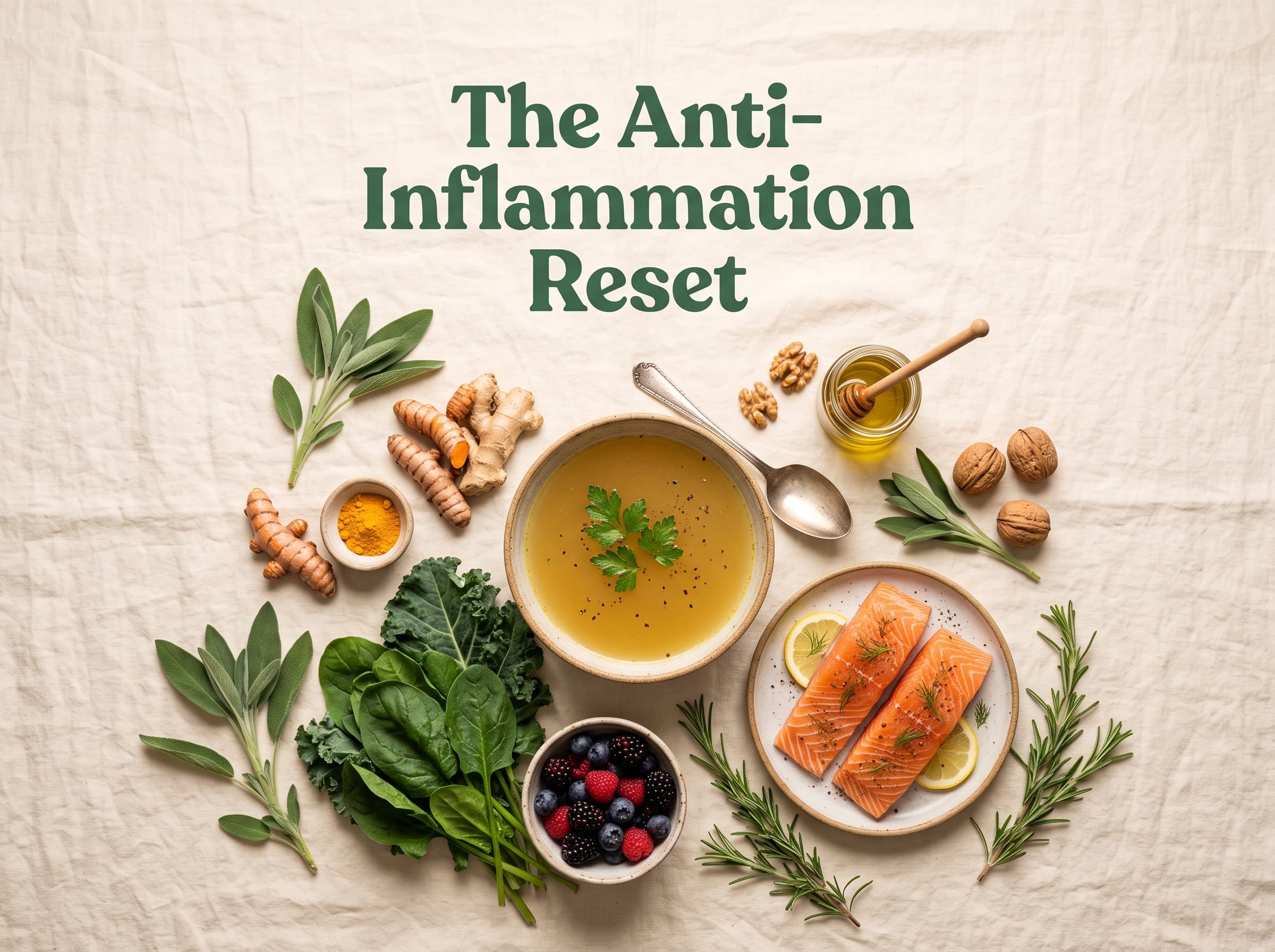
Fatty fish at least once daily. Wild salmon, sardines, mackerel, or anchovies. EPA and DHA reduce the prostaglandins and cytokines driving inflammation through a direct biochemical pathway.
Turmeric with black pepper at every meal possible. Curcumin in turmeric inhibits NF-kB, the master inflammatory transcription factor, with a mechanism comparable to pharmaceutical NSAIDs in some studies. Black pepper's piperine increases curcumin absorption by approximately 2,000%. Without the black pepper, most of the curcumin passes through unabsorbed.
Fresh ginger daily. Ginger's gingerols inhibit the COX-2 enzyme through a similar mechanism to ibuprofen. Add it to hot water in the morning, to smoothies, to stir fries, or to any savory meal.
Three liters of filtered water daily. Chronic mild dehydration elevates cortisol and inflammatory markers independently.
Bone broth or collagen peptides daily. Glycine, one of the primary amino acids in both, has direct anti-inflammatory effects and supports gut lining integrity.
Fermented foods at every meal. Kefir, sauerkraut, kimchi, or plain Greek yogurt with live cultures. Gut microbiome diversity is one of the strongest dietary predictors of systemic inflammatory status.
Magnesium glycinate at 300-400mg before bed. Magnesium reduces cortisol and directly supports the anti-inflammatory recovery processes that occur during sleep.
Protect Sleep (Days 1-7)
Establish a consistent bedtime before 10:30 PM for the full seven days. The anti-inflammatory compounds and foods consumed during the day repair most effectively during deep sleep. An anti-inflammatory diet combined with chronic sleep deprivation produces significantly less benefit than either sleep or diet alone.
What to Expect
Days 1-2: some women experience mild withdrawal symptoms from refined sugar removal, including headache and fatigue. This is the sugar dependency cycling out.
Days 3-4: energy typically begins stabilizing as blood sugar patterns shift without the spike-and-crash cycle.
Days 5-7: the majority of women report reduced bloating, clearer thinking, and improved energy by the end of the first week. Some report skin improvement beginning to show. Inflammatory markers in blood tests would typically show measurable reduction at two weeks of sustained change.
After the Seven Days
The reset is a starting point, not a destination. The anti-inflammatory changes that produce lasting results are the ones applied consistently over months. What the reset does is demonstrate, within one week, how different the body feels when the primary inflammatory drivers are removed. That demonstration is the most effective motivation available for making the changes permanent.
This article is for educational purposes only and does not constitute medical advice. Consult a qualified healthcare provider before making significant dietary changes, particularly if you have existing health conditions.
More from Her Healthy Empire
The 10-Minute Habit After Meals That May Help Your Blood Sugar and Energy
A short walk after eating may do more than help you feel less sluggish. Research suggests post-meal movement can support the body’s glucose response, while adding an easy source of daily physical activity.
Why You’re Always Tired After 40, Even When You’re Getting Enough Sleep
Feeling exhausted even after a full night of sleep? Discover the overlooked reasons women over 40 may struggle with persistent fatigue, including sleep quality, perimenopause, iron, thyroid health, nutrition, stress, and more.
Period Changes in Perimenopause: What Is Normal?
Perimenopause can change cycle timing, flow, and duration. Some changes are expected, while unusual bleeding still deserves medical evaluation.
The next her healthy empire essay in your inbox.
One careful letter, every Sunday. Free.